

Business and Estate Planning Attorney Serving Ashburn, VA
Ashburn has transformed over the past two decades into one of the most economically active communities in Virginia. It hosts more data centers than almost anywhere else on the planet, a concentration of federal contractors, a dense tech workforce, and one of the highest median household incomes in the country. That economic activity creates legal needs that the residents and business owners of Ashburn often do not anticipate until they are already in the middle of a problem. Companies form quickly and operate for years without proper governance documents. Families accumulate significant wealth in real property, equity compensation, and retirement accounts without updating estate plans that no longer reflect their actual situation. I am a business and legacy planning attorney serving Ashburn clients from my Leesburg office, focused on exactly these issues.
My practice covers two areas: business law and estate planning. For Ashburn clients, those two areas frequently overlap. A software engineer who has founded a startup, a federal contractor managing a multi-owner LLC, a family that has spent fifteen years building a service business near Route 7 — each of those situations requires legal planning that looks at the whole picture, not just the business side or the estate side in isolation. I work directly with every client, on fixed fees, with no delegation to junior staff.
Why Ashburn Clients Choose Brandon Davis, Esq.
The legal market in Northern Virginia has no shortage of large firms. What those firms often cannot offer is direct, sustained attention from a named attorney who understands both business and estate planning and who operates on a cost structure that makes ongoing engagement practical. My practice is built differently.
Legal Counsel That Matches Ashburn’s Professional Community
Ashburn is home to tech executives with equity compensation, federal contractors with compliance questions, and dual-income families with substantial retirement assets. My legal work is calibrated to that complexity. This is not a practice built around document preparation. It is counsel for clients whose situations have real stakes.
Coordinated Business and Estate Planning
For Ashburn business owners, the estate plan and the business plan cannot be treated separately. A multi-member LLC where one owner holds fifty percent has a real problem if that owner dies and the interest passes to a spouse who knows nothing about the company. I handle the coordination between business and estate planning as a core part of my practice, not an afterthought.
Fixed Fees That Make Planning Accessible
My fixed-fee model applies straightforward logic to legal services: you know the cost before you commit. The $200 initial consultation fee is credited toward your legal fees if you move forward. No hourly billing, no unpredictable invoices.
Ongoing Relationship, Not a One-Time Transaction
The legal needs of a growing business or family do not end with the first set of documents. Ashburn’s fast-moving professional environment creates exactly the kind of change, equity events, new partners, family additions, that makes an ongoing legal relationship valuable.
Virginia Law and the Ashburn Business and Estate Context
Ashburn businesses are subject to Virginia’s business formation statutes and, for many federal contractors, a layer of regulatory compliance that interacts directly with their contract structure. Virginia’s Limited Liability Company Act allows significant flexibility in how ownership, management, and profit-sharing are structured, but that flexibility only exists if you have a written operating agreement that takes advantage of it. Companies operating under the default statutory rules are frequently exposed to outcomes their owners did not intend.
On the estate side, Loudoun County’s real estate market has produced substantial home equity for long-term Ashburn residents. A home purchased for $400,000 in 2010 in many Ashburn neighborhoods now carries a value considerably higher. That appreciation is an asset, and like all assets, it passes to someone when you die. Under Virginia law, without a funded trust, that transfer goes through the Loudoun County Circuit Court probate process. Virginia has no state estate tax, but federal estate tax exposure is a legitimate concern for Ashburn families with business interests, retirement accounts, and significant real property combined. The federal exemption, currently elevated under the Tax Cuts and Jobs Act, is not permanent.
Legal Services for Ashburn Clients
Business Law
Ashburn’s business community ranges from solo technology consultants to multi-entity government contracting firms. My business law services address the legal structures these businesses need at each stage of growth.
Legacy (Estate) Planning
Estate planning for Ashburn families involves careful attention to asset types that are particularly common in this community, including equity compensation, 401(k) and 403(b) accounts, real property, and business interests.
My Process
01
Consultation
I begin every engagement with a $200 creditable consultation focused entirely on understanding your situation. For Ashburn clients, that often means discussing equity compensation structures, business ownership arrangements, and family dynamics before any legal recommendations are made.

02
Plan Design
After the consultation, I develop a coordinated legal plan. For business owners, that plan typically addresses both the company’s governance and the owner’s personal estate simultaneously, ensuring neither document creates a conflict with the other.

03
Drafting and Execution
All documents are drafted by me personally and reviewed with the client before signing. Virginia has specific execution requirements for wills, trusts, and powers of attorney, and I manage that process carefully to ensure every document is properly prepared and executed.

04
Ongoing Counsel
Ashburn clients who have worked with me over multiple years consistently find that their legal work evolves as their situations change. Equity events, business sales, family changes, and shifts in tax law all create reasons to revisit a plan that was correct at the time it was drafted.

Areas I Serve
Serving Ashburn and the Surrounding Communities
I serve clients in Ashburn and throughout the surrounding area, including:
Leesburg, Sterling, Broadlands, Brambleton, Lansdowne, South Riding, One Loudoun, Dulles, and communities throughout eastern and central Loudoun County.
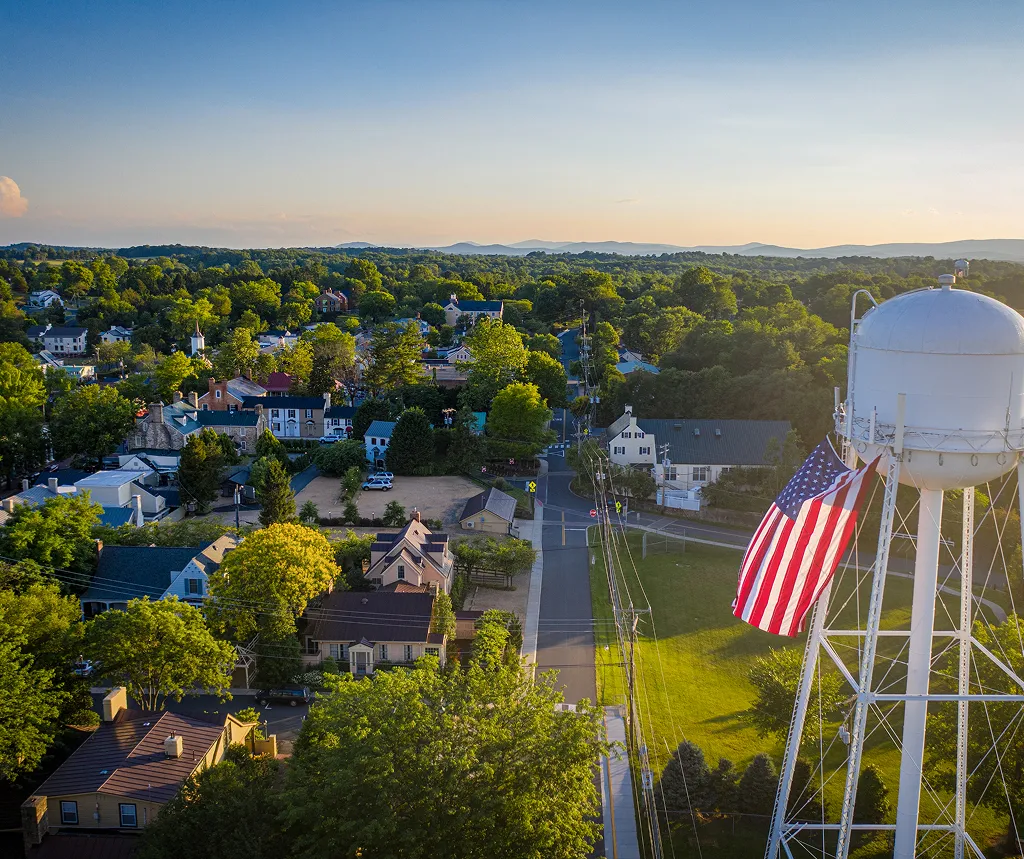
The office is located in downtown Leesburg and is accessible from Ashburn in a short drive. Remote consultations are available for clients who prefer to meet virtually before coming in for document execution.
Frequently Asked Questions
Schedule a Consultation in Ashburn
Ashburn’s economic energy is real, and the legal structures supporting it should be equally solid. Whether you are building a business, protecting a family, or doing both at the same time, I work directly with you to make sure your legal foundation is as strong as everything else you have built. Call 540-425-8278 or email contact@bdavisatlaw.com to schedule. Consultations are subject to a $200 creditable fee.